

How to Design Custom Uniforms: From Strategy to a Scalable Program
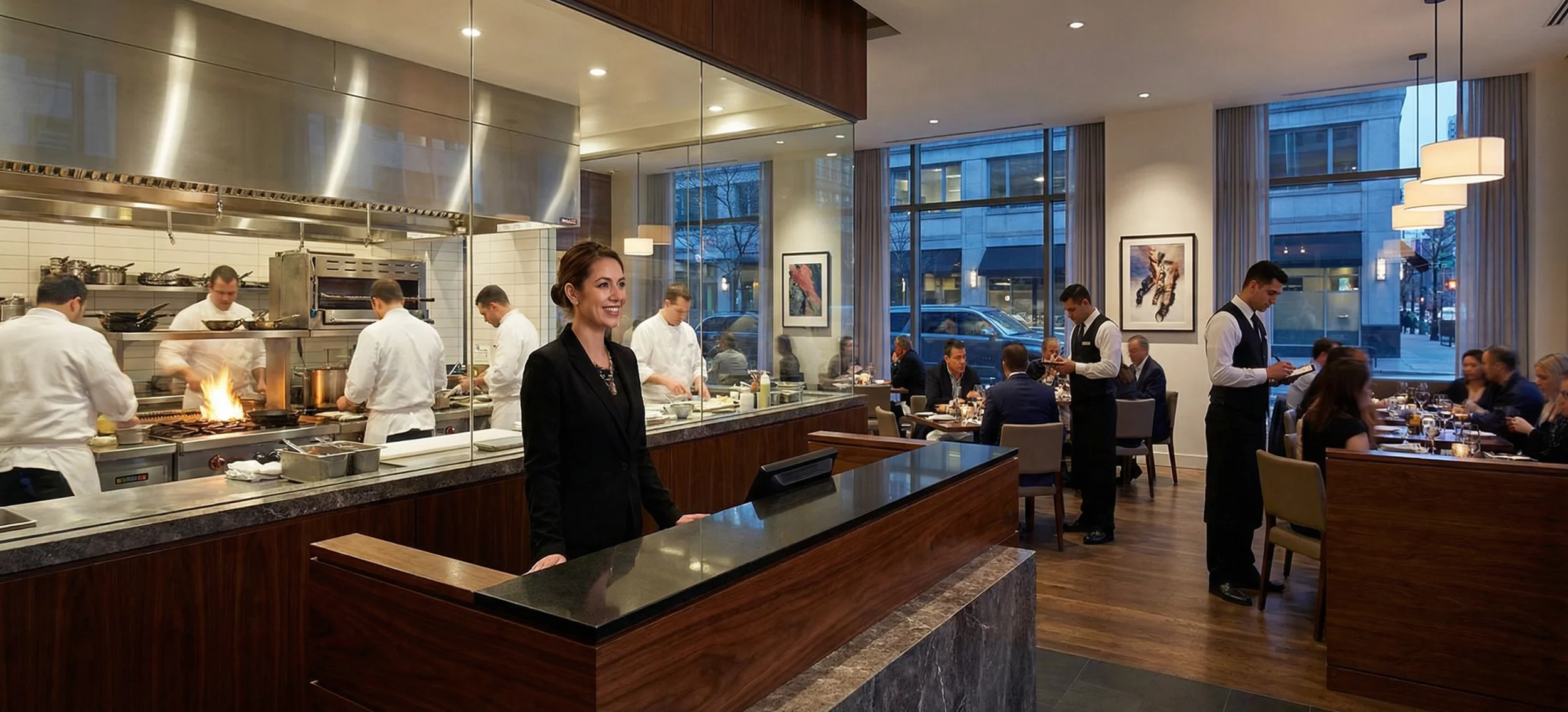
Most businesses approach uniform design backwards. They start with a logo and a premade garment and call it custom. The result is something generic, uncomfortable, and disconnected from the brand experience.
A true custom uniform program is not just about garments. It is a system. It starts with strategy, moves through design and development, and ends with a scalable way to distribute, manage, and evolve uniforms over time.
Here’s how a leading uniform design company approaches the process from start to finish.
1. Discovery: Aligning Vision, Function, and Feasibility
Every successful custom corporate uniforms program starts with alignment. Not just on aesthetics, but on how the uniforms will actually be worn, produced, and scaled.
This phase brings together three critical inputs:
Creative Vision
What should the uniforms represent about your brand? How do they connect to your broader brand world and mission?
Operational Context
Who is wearing them and what does their day look like? It’s critical to understand the physical nuances of each role, as demands can vary dramatically across industries and even within the same organization. For example, a hospitality team or retail staff operates very differently from landscaping or construction crews. Even within a single company, roles can diverge significantly - aviation ground crews and flight attendants, for instance, have distinct functional needs, safety requirements, and types of customer interaction.
Financial & Production Targets
What are the cost expectations? What scale are we designing for? A strong program is aligned with real-world apparel production management and manufacturing constraints from day one.
This stage ensures the program is not only compelling, but actually executable.
2. Design: Translating Strategy into Product
Once the foundation is clear, design begins.
This is where creative direction meets real product thinking. Not just how something looks, but how it performs, fits, and scales across teams.
Key components include:
Concept Development & Visual Direction
Establishing a clear aesthetic language for your branded work uniforms.
Garment Design Systems
Designing full uniform systems, not just individual pieces. Each garment should work across roles, departments, and environments.
Fabric & Material Strategy
Fabric impacts comfort, durability, and perception. This is especially critical for custom uniforms that must perform daily.
Technical Design (Tech Packs)
Production-ready documentation that ensures consistency when working with a custom uniform manufacturer or broader clothing manufacturing partners.
By the end of this phase, the entire program is clearly defined and ready for development.
3. Development: Turning Ideas into Real Garments
Design only becomes real once it is tested.
Development is where concepts are translated into physical products and refined through iteration.
This includes:
Factory Identification
Selecting the right partners, whether a specialized custom uniform manufacturer or a broader cut and sew manufacturer, depending on complexity and scale.
Sampling & Iteration
Creating and refining samples to ensure fit, durability, and alignment with the original vision.
Fittings & Wear Testing
Evaluating garments in real working conditions, as well as on professional fit models.
Trim & Branding Development
Labels, embroidery, and finishes that elevate custom corporate uniforms into a true brand touchpoint.
A strong development phase reduces production risk and ensures long-term performance.
4. Production Management: Scaling with Precision
Once samples are approved, production begins.
This is where many uniform programs fall apart. Without proper oversight, quality and consistency quickly break down.
A well-managed custom uniform program includes:
Cost Engineering
Aligning production with target margins and long-term scalability.
Material & Production Planning
Coordinating timelines and sourcing materials across global or domestic clothing manufacturers.
Quality Control
Ensuring every unit matches the approved sample, across the entire production run.
Sizing Systems & Grading
Building size ranges that work for real teams.
Vendor & Purchase Order Management
Acting as the bridge between brand and factory throughout production.
The goal is consistency at scale, whether you are producing hundreds or tens of thousands of uniforms.
5. Brand Expression: Photography, Packaging, and Presentation
Uniforms are not just functional. They are a visible extension of your brand.
To fully realize their impact, supporting elements are critical:
Photography & Content Production
High-quality imagery ensures your custom uniforms are presented correctly across internal platforms and external marketing.
Custom Apparel Packaging
Thoughtful custom apparel packaging reinforces brand perception and improves the employee experience when uniforms are received.
Uniform Style Guides
Clear documentation for how uniforms should be worn, styled, and maintained ensures consistency across locations.
These elements elevate uniforms from operational necessity to brand asset.
6. Distribution & Program Infrastructure
A custom uniform program does not end with production. It succeeds or fails based on how it is distributed and managed.
For modern organizations, this often means building a digital infrastructure:
Employee Ordering Platform
A branded websites with a clear system for how employees can browse and order uniforms.
Fulfillment & Distribution
Uniforms are distributed either through an internal fulfillment center or a third-party 3PL, depending on scale. This includes inventory storage, pick-and-pack operations, shipping, and handling returns or exchanges.
Admin Dashboard & Controls
Tools to manage budgets, approvals, inventory, and reporting.
System Integrations
Connecting with HR systems and fulfillment partners for real-time updates.
Size Charts & Ordering Rules
Reducing returns and ensuring consistency across teams.
This transforms uniforms from a one-time project into an ongoing, scalable system.
7. Ongoing Program Management
A custom uniform program is a living system.
As teams grow and evolve, the program must adapt:
Reordering and inventory management
Seasonal or role-based updates
Continuous feedback from employees
Maintaining consistency across locations
The strongest programs are designed to evolve without losing their integrity.
What “Fully Custom” Actually Means
Fully custom does not mean selecting from a catalog and adding a logo.
It means designing and developing garments from scratch, often in partnership with a custom uniform manufacturer or broader clothing manufacturing network, with equal attention to:
Brand expression
Employee experience
Operational feasibility
Long-term scalability
It also means thinking beyond the garment itself - into distribution systems and how the program lives over time. The result is a uniform program that works as hard as the people wearing it and becomes a true extension of the brand.
Interested in Developing Custom Uniforms?
Stateless partners with brands to design and produce uniform programs that blend function, identity, and elevated execution. If you’re considering a uniform refresh or launching a new concept, we’d love to talk.